What we do

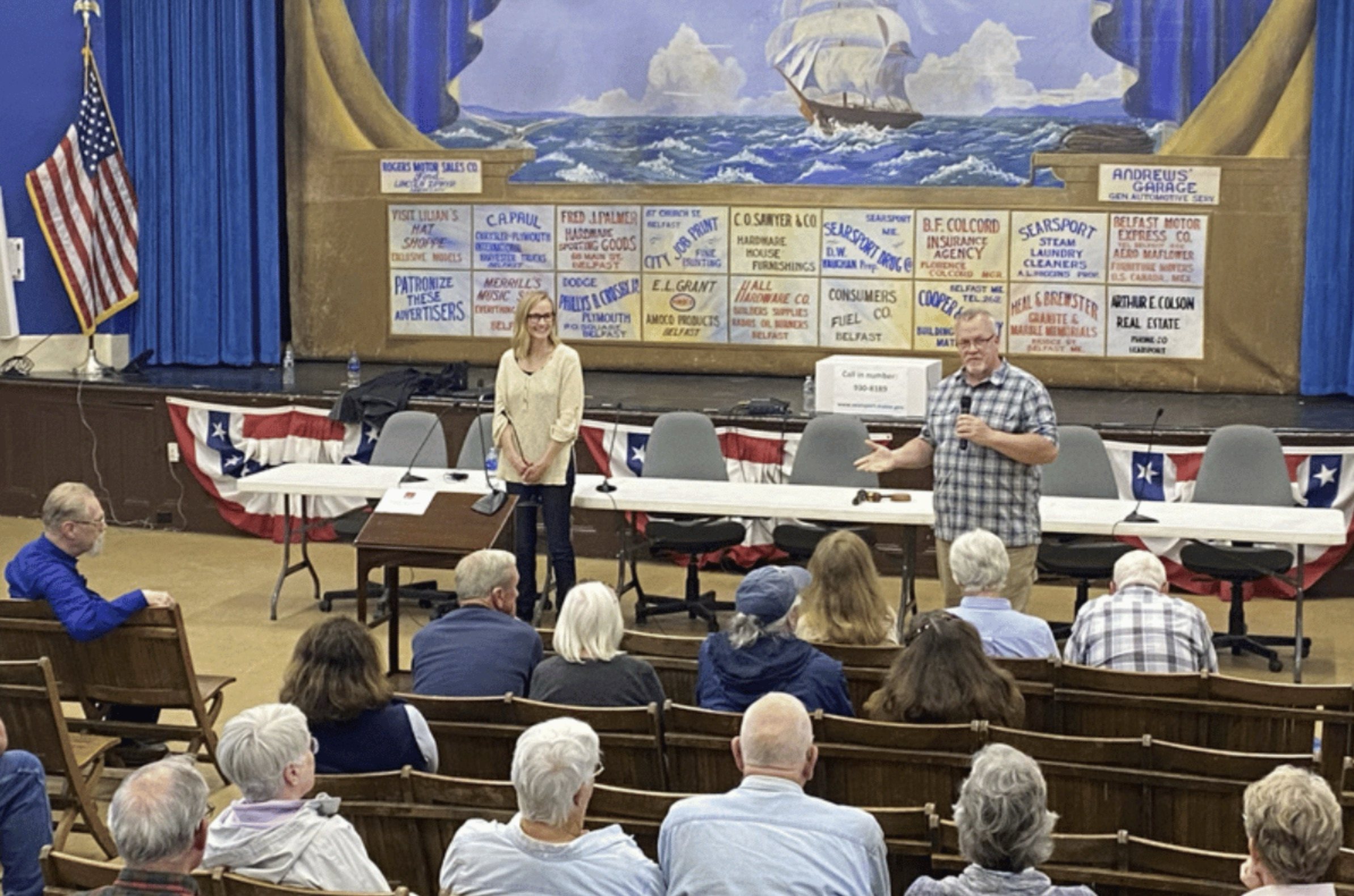
Sarah Flink speaking at a town hall meeting before rows of seated residents
01

Coalition Building

A coalition of allies — residents, businesses, labor unions, and community organizations — who share your interests can bring a powerful credibility to a debate. A homeowner talking about rates, a contractor talking about jobs, or a union local talking about its members reaches people a company cannot, and speaks to a stake of their own.

In one two-year statewide campaign, we built a coalition that included

140+
organizations, among them the largest labor organization and the largest business organizations in the state
16,000
individual voters
Large & small
employers and small businesses

None of this happens on its own. People who share an interest in an outcome are rarely organized around it, and helping them find each other and find their voice takes staff, time, and patience. It is slower and less visible than most of what a campaign does. It is also, in our experience, the work that matters most when the decisive moment arrives.
02

Communications and Public Relations

“Should” is one of the most dangerous words in public relations. Everyone has an opinion about what a reporter should care about. What matters is what they can and will actually report.

Salt’s communications work is grounded in decades of direct experience – as the person asking the questions and the person answering them. Willy Ritch, Salt’s founder and president, began his career in the media as a talk show host before moving into advocacy, where he served as spokesperson for a national anti-hunger campaign, for a member of Congress, and for numerous coalitions and organizations. He knows how newsrooms work, how stories get assigned and shaped, and what reporters and editors need to get a story right.

Sarah Flink, a partner at Salt, has also spent years as an on-the-record spokesperson in print, television, and radio, and she knows what it takes to deliver a message clearly under pressure — and to help clients do the same.

We aren’t afraid of reporters, and we aren’t afraid of editors. We work with them, we return their calls, and we push back when a story is headed somewhere the facts don’t support. Good reporters respect that, and the relationship is more productive for it.

03

Paid Communications

Paid communications used to mean buying enough television to reach everyone. That world is gone. Audiences are scattered across broadcast, streaming, social feeds, podcasts, and phones, and the same household can be reached five different ways or missed entirely. What replaced mass reach is precision — the ability to put a specific message in front of a specific audience and know that it landed.

We plan, produce, and place across the whole range: linear television, connected TV and streaming, programmatic video and display, digital and social, out-of-home, and mail. Strategy, targeting, creative, and the media buy sit with one team, so a message doesn’t change shape as it moves from a thirty-second spot to a mailbox to a phone.

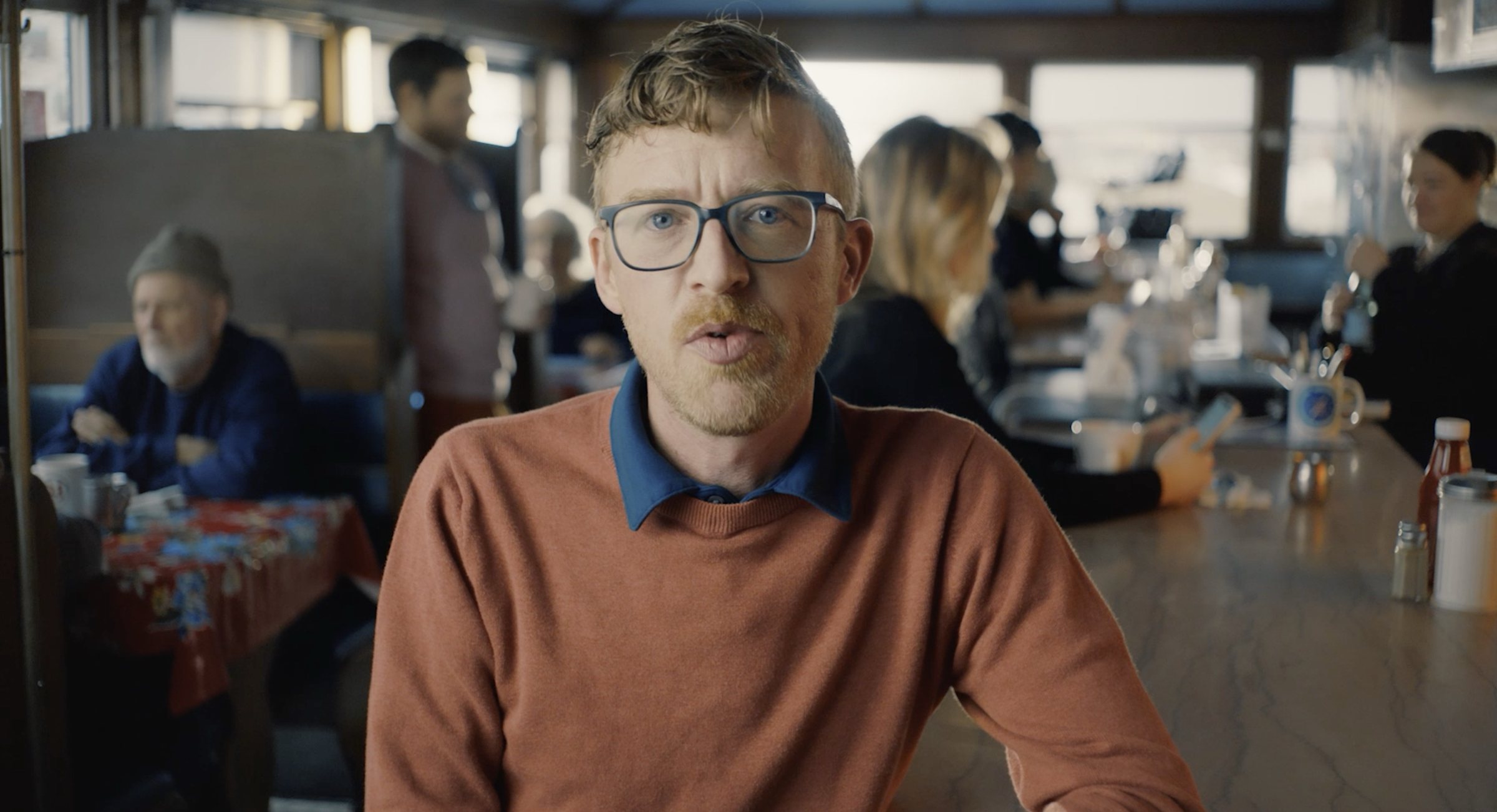
Still from a Salt television spot: a man speaking to camera in a diner
Television · on camera
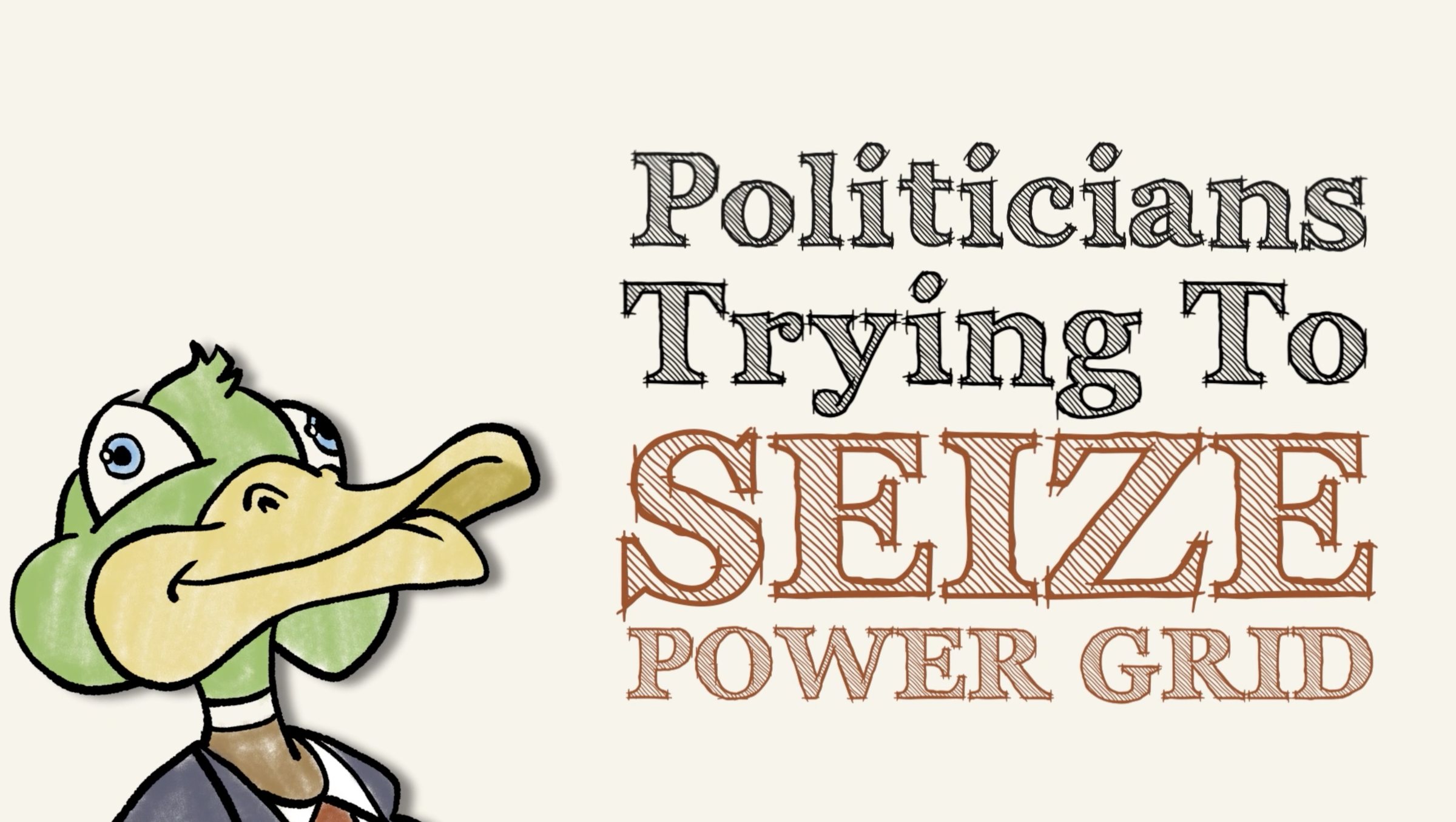
Still from an animated Salt television spot: a cartoon duck beside the words Politicians trying to seize power grid
Television · animated
04

Field

Nothing moves a voter like a conversation at the front door. Salt designs and directs field programs and runs them with a canvass partner we have worked with across campaigns — more than 700,000 doors knocked to date.

We design those programs to do more than one job at a time. The same canvass persuades undecided voters, identifies supporters so we know who they are and can stay in touch, and turns those supporters out when the vote arrives. Tens of thousands of individual voters have joined coalitions through that canvass — on pledge cards, by name, because they agreed with us.

Those supporters are what make a coalition real. They are the people willing to speak for themselves — in a letter to a city councilor, at a hearing, in the local paper, on camera — because the outcome affects them directly. A coalition is only as strong as the people who will put their names to it, and field is how you find them.

700,000
doors knocked to date, across campaigns
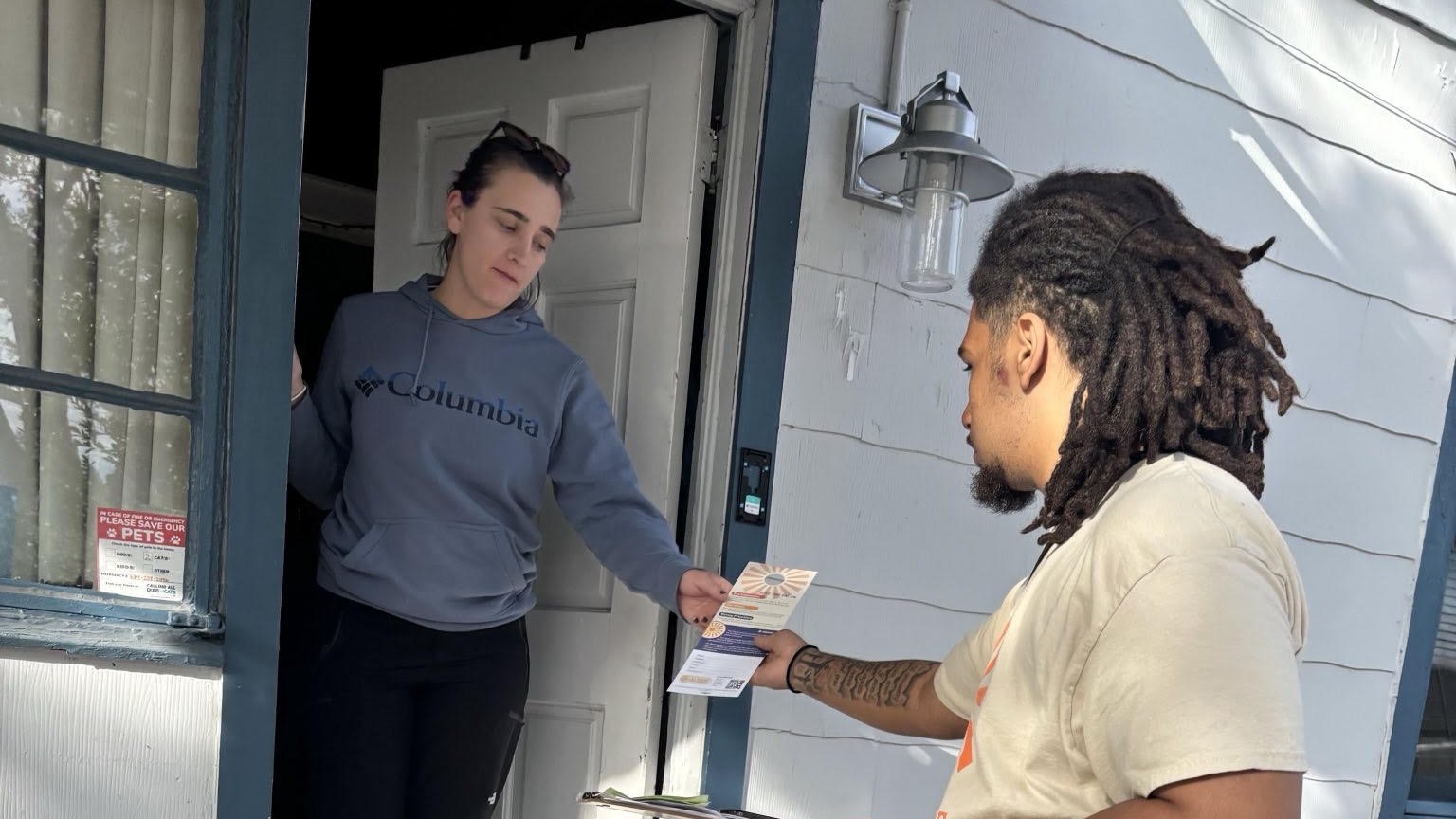
A canvasser handing campaign literature to a resident at her front door
05

Earned Media Amplification

Boosted News — it’s one of our favorite strategies.

Boosted News starts with a simple idea: a credible news story can get attention — and change minds — in ways a conventional ad often can’t.

Our team pitches and secures earned media at a pace most firms don’t attempt — often several stories a week during an active campaign — and turns them quickly. We then make sure that coverage reaches the audiences a story needs to reach, rather than hoping it finds them: customers, employees, residents of the affected community, business and civic leaders, and where appropriate, the decision-makers themselves.

Why does it work? People encounter a news story differently from an ad. Testing of boosted news has found that credible third-party coverage can outperform conventional political advertising in persuasion tests, with trusted news sources producing particularly strong results.

06

Grassroots Capacity Building

Most of what a campaign builds disappears when the campaign ends. The coalition disbands, the contact list goes stale, and the relationships live in a consultant’s head rather than the client’s. For a company facing a question that will come back — a franchise decision, a rate case, a proposal that failed once and may return — that is an expensive way to work.

That is why we build community engagement programs the client owns and runs. The program carries the client’s name, lives on the client’s systems, and remains after we are gone.

The design starts from a simple observation: people engage on their own interests, not a company’s. The program leads with the issues residents already care about — reliability, storm readiness, affordability, investment in their own neighborhoods — and reaches them through organizations they already trust. The program keeps track of who has asked to stay involved and what they care about, so an audience becomes a set of relationships rather than a set of impressions. Over time, people who care about an issue move from hearing about it to speaking up on it themselves.

Residents seated at an indoor community meeting, seen from behind

Tell us the situation.
We’ll tell you what it needs.